A child’s first coding activity can be exciting. But one fun session does not automatically become lasting skill. For that, children need chances to revisit ideas, practise them in new situations and gradually take on more of the thinking themselves.
That is what a structured kids coding curriculum is designed to do. It connects lessons into a pathway, so coding becomes more than following instructions on a screen. Children learn to plan, build, test, debug and explain their ideas, and apply those habits to new challenges.
One-off activities introduce coding. A curriculum builds on it.
A standalone workshop can be a useful introduction. Children might build a model, use a sequence of commands and see what happens. The limitation is not the workshop itself; it is what happens if the next activity has no connection to the first.
Without planned progression, children may repeatedly encounter similar tasks without developing their skills further. A curriculum gives each lesson a purpose in the bigger picture. It identifies what children have already practised, what they are ready to learn next and how to apply familiar ideas in a more demanding context.
For parents, that means your child has a learning journey, not just a calendar of activities. For schools, it means lessons can build towards clear learning outcomes rather than standing alone.
Progression makes new skills manageable
Children do not need to begin with complex code. They can start with tangible actions and simple sequences, then progress towards more abstract ways of representing instructions.
A thoughtfully paced pathway might move through:
- Screenless coding: Arrange physical commands and observe how order changes a robot’s actions.
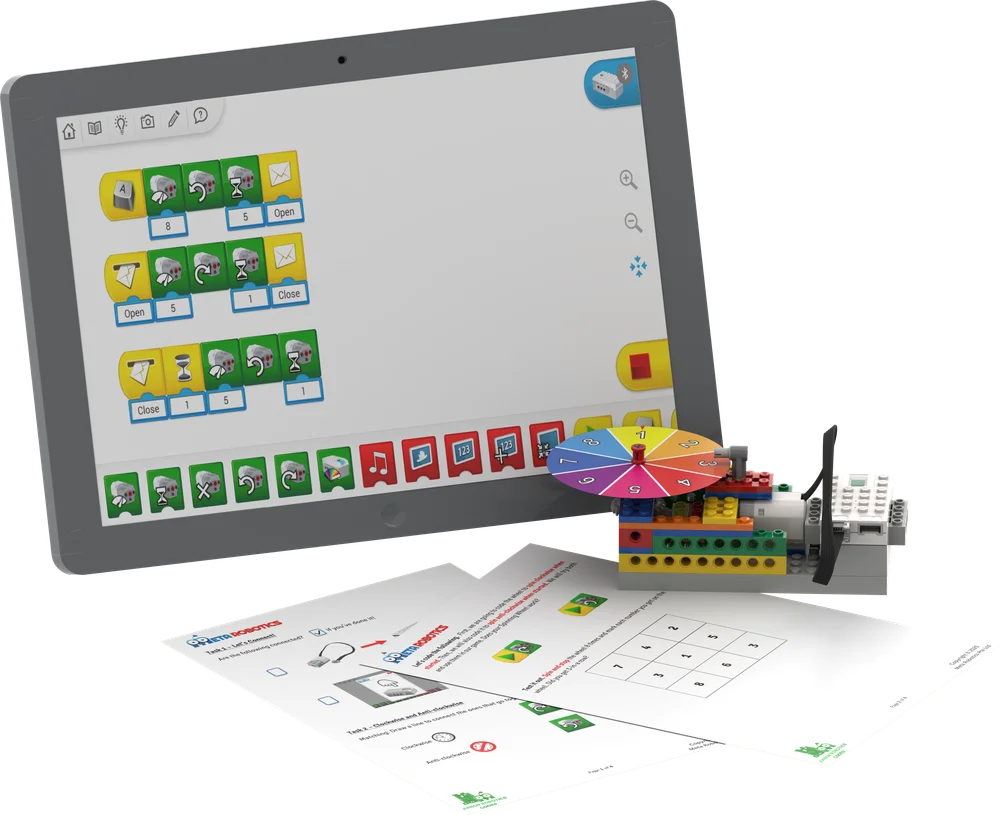
- Icon-based coding: Use visual symbols to connect a command with an outcome.
- Block-based coding: Combine instructions into longer sequences and explore logic.
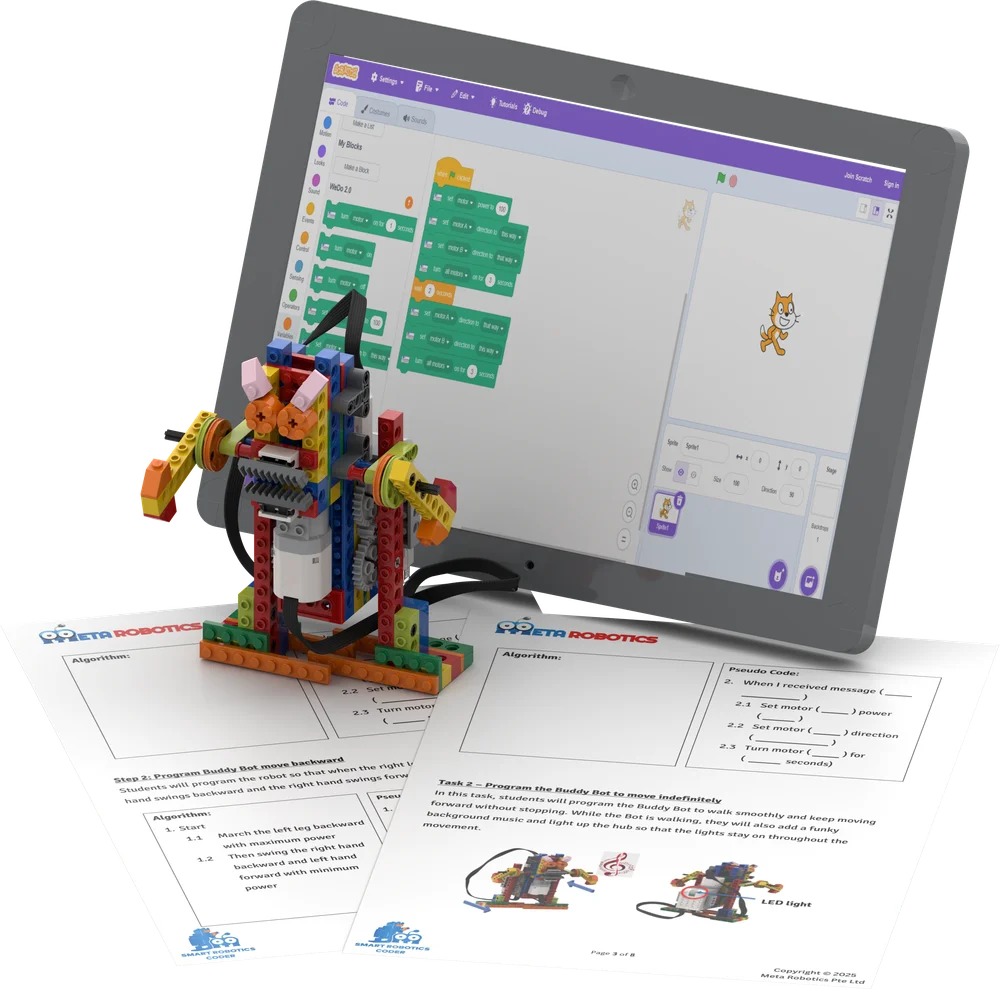
- Text-based coding: Write and refine code to solve increasingly complex problems.
Each stage gives children a foundation for the next. The aim is not to move every child forward at the same speed. It is to make the next step clear, while giving children opportunities to practise before complexity increases.
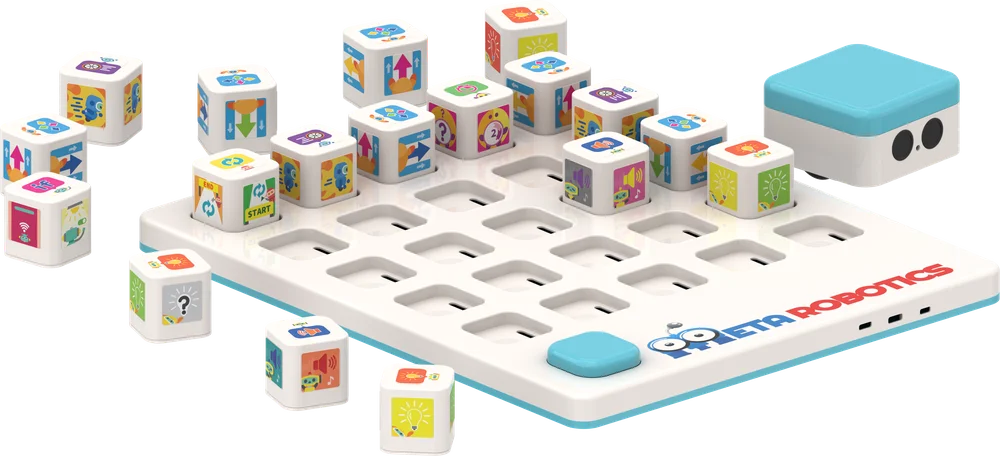
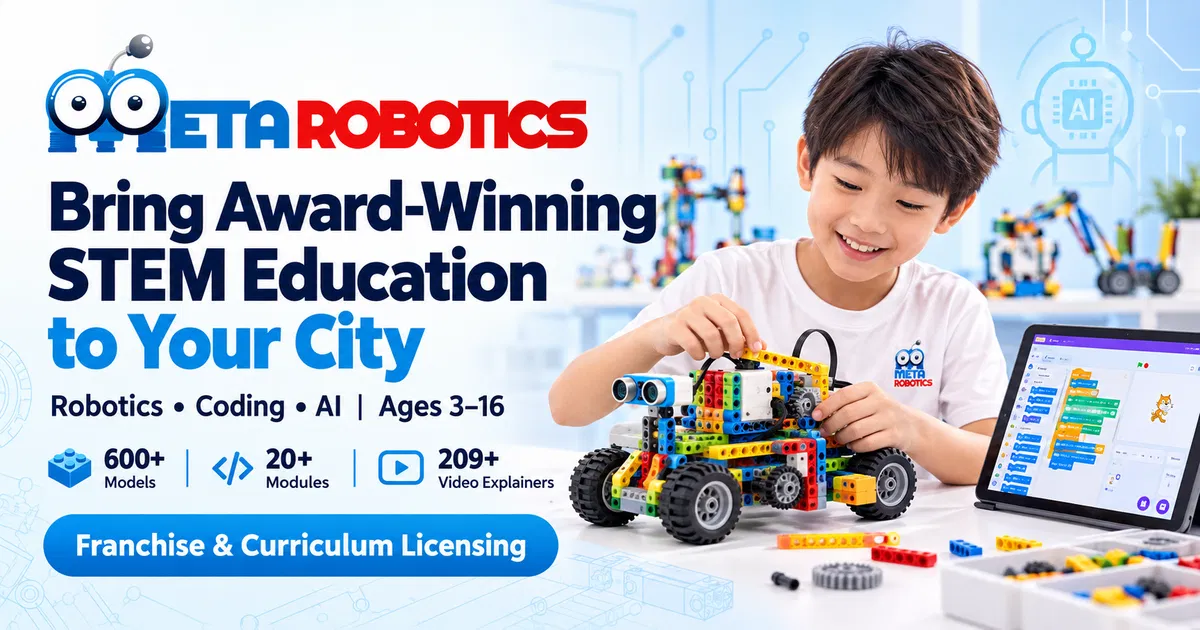
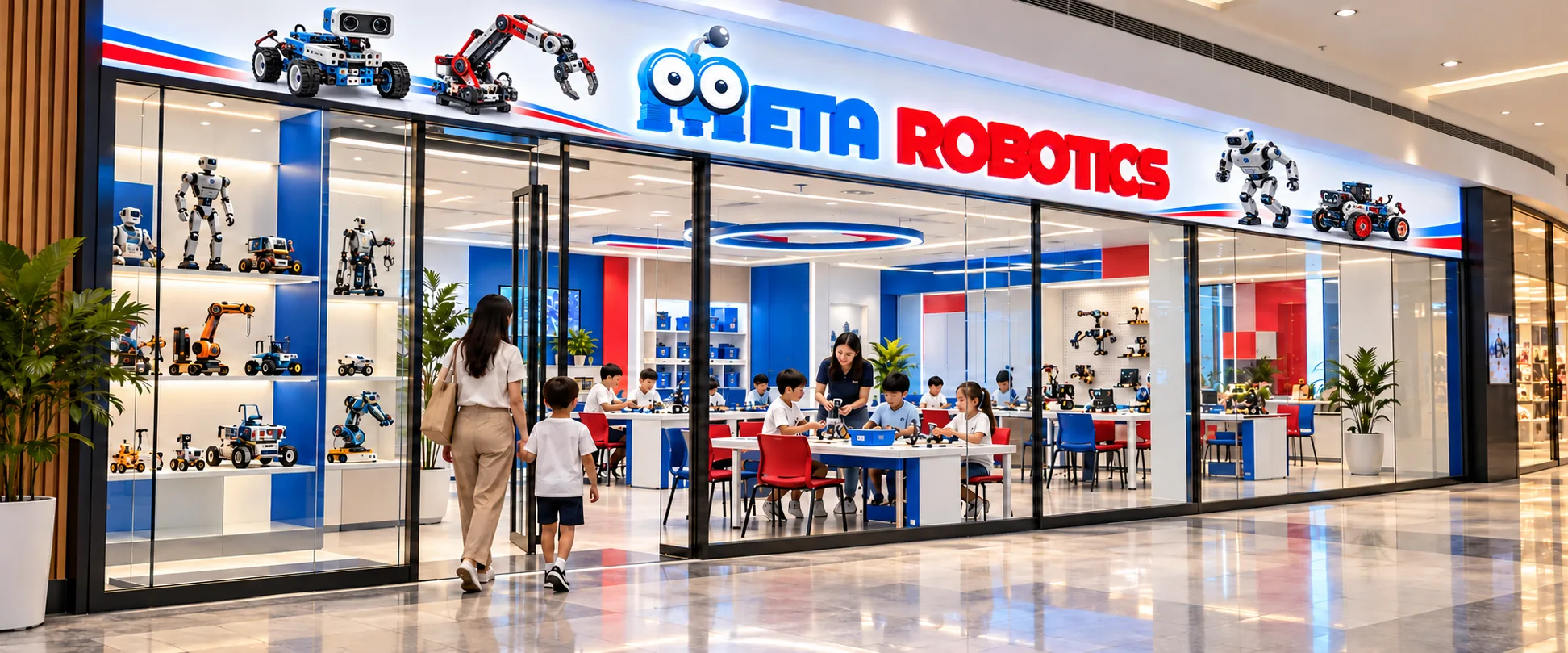
At Meta Robotics, the learning pathway spans ages 3–16, from screenless activities for early learners to advanced coding and AI concepts for older students. The tools and challenges change as children grow; the focus on understanding, testing and improving ideas continues.
Repeating an idea in a new context builds understanding
Children can learn to follow a set of commands without yet understanding why those commands work. To move beyond imitation, they need to meet familiar ideas again: through new models, challenges and applications.
For example, a child might first practise sequencing by arranging instructions for a simple movement. Later, they can use a sequence to control a moving model, then adjust it to achieve a specific result. The central idea, order matters, stays familiar, while the task becomes more demanding.
This kind of repetition is not simply doing the same thing again. It gives children a chance to notice patterns, connect concepts and transfer what they know.
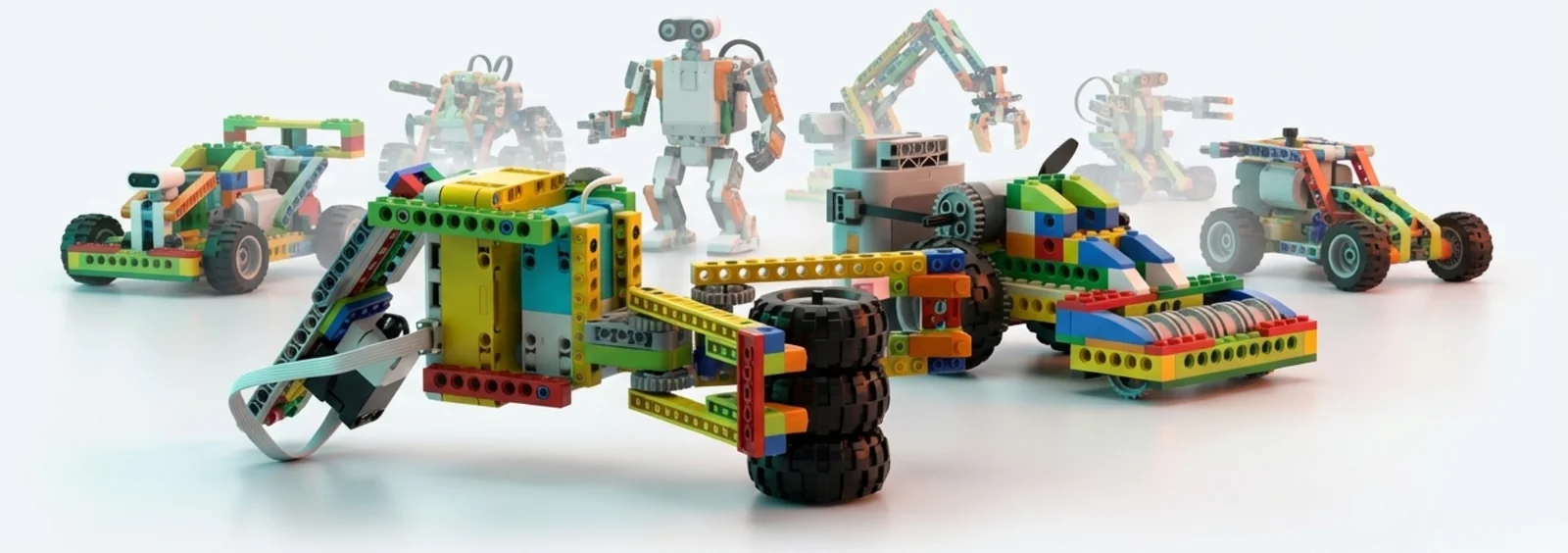
Meta Robotics’ curriculum uses more than 600 proprietary robotic models across 20+ modules. Each model is part of a broader learning system, with lessons connected to concepts in science, mathematics and engineering. That gives children varied ways to encounter ideas such as gears, force, balance, patterns and logic.
Building and coding make thinking visible
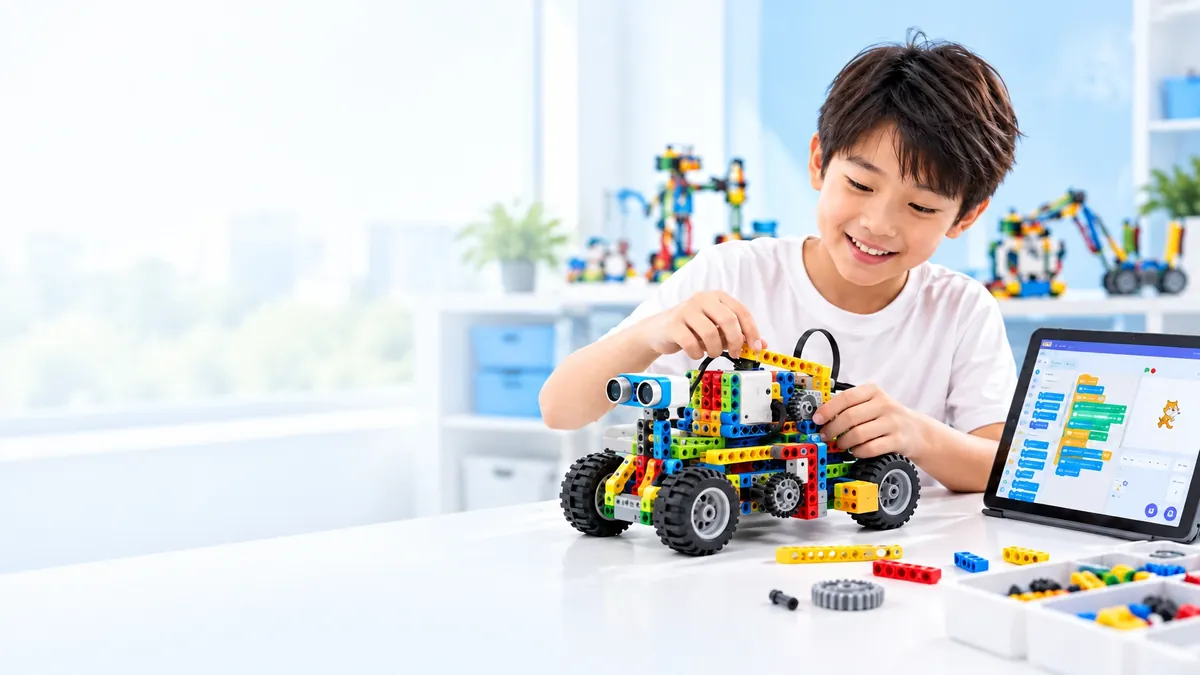
A well-designed coding lesson is not only about getting a robot to move. Children can first consider what they want to happen, choose an approach, then compare the result with their prediction.
When the model behaves differently than expected, they have something concrete to investigate. Did the instructions run in the wrong order? Was a step missing? Does the build need adjustment?
That makes debugging a practical learning routine:
Predict → Build or code → Test → Observe → Improve
Children learn that an error is information. They can break a larger problem into smaller parts, identify where a result changed and try a more focused solution. Those habits matter in coding, and in many other learning situations.
A structured lesson can still leave room for creativity
Structure does not mean every child must produce an identical result. It means the lesson has a clear learning purpose and enough support for children to explore productively.
A lesson might introduce a science or maths concept, guide children as they build a model, then invite them to code and test it. Once they understand the basic challenge, they can be encouraged to change a design, adjust an instruction or explain a different solution.
At Meta Robotics, the 5Cs framework offers one example of how those parts can connect in a 90-minute session:
- Concept: Introduce the science or maths idea.
- Construct: Build a model that demonstrates it.
- Code: Program the model to complete a task.
- Compute: Analyse results, debug and improve performance.
- Compete: Apply the learning in a challenge or quiz.
A clear framework helps a lesson move from understanding to application. Children still have space to make choices, test possibilities and learn from what happens.
What does the research say?
Research on early-years coding supports the value of age-appropriate sequencing, scaffolding and opportunities to practise computational thinking. A review of computational thinking in early childhood describes practices such as sequencing, debugging, decomposition and iteration as important parts of developmentally appropriate learning.
A meta-analysis of coding interventions for learners aged 4–16 reported positive effects across several cognitive outcomes, including problem-solving. However, results vary by programme, age group, teaching approach and assessment. A structured curriculum is not a guarantee of a particular outcome. Its value depends on how well the activities help children understand ideas, practise them and apply them beyond a single task.
For parents, a useful question is not simply “Did my child make something?” Ask whether they can describe what they tried, what changed when they adjusted an instruction and what they might do differently next time.
How to evaluate a kids coding curriculum
Whether you are choosing an enrichment programme or reviewing a school offering, look for more than an engaging first lesson. Consider whether the programme:
- Shows a progression: Can you see how skills develop from one stage to the next?
- Matches the child’s age and readiness: Are the tools and tasks appropriate for their current experience?
- Includes repeated practice: Do children revisit concepts in fresh contexts?
- Makes room for debugging: Are children taught to investigate and improve, not just copy a working solution?
- Connects coding with other subjects: Do activities relate to maths, science, engineering or real-world problems?
- Tracks learning: Can instructors identify what a child understands and what they are ready to practise next?
- Balances guidance and independence: Do children eventually get opportunities to modify, create and explain their own solutions?
These questions help distinguish a sequence of enjoyable activities from a learning pathway with direction.
Give curiosity a clear next step
A child does not need to know what they want to build before starting. They need the chance to explore, supported by activities that help them move from trying instructions to understanding and adapting them.
A well-structured kids coding curriculum makes that progress visible. It gives children meaningful practice, helps them connect ideas and creates room for independence as their confidence grows.
At Meta Robotics, that journey brings together 20+ modules and 600+ proprietary robotic models, with learning linked to real science, maths and engineering concepts. Explore the Meta Robotics learning pathway or view the engineering models to see how hands-on building can support coding and STEM learning.