STEM franchise opportunities can help education operators add robotics, coding and AI without spending years building a programme from scratch. But the right opportunity is more than a recognisable name or an appealing starter kit. You need to assess the curriculum, commercial model, training, ongoing costs and local demand. Before you commit.
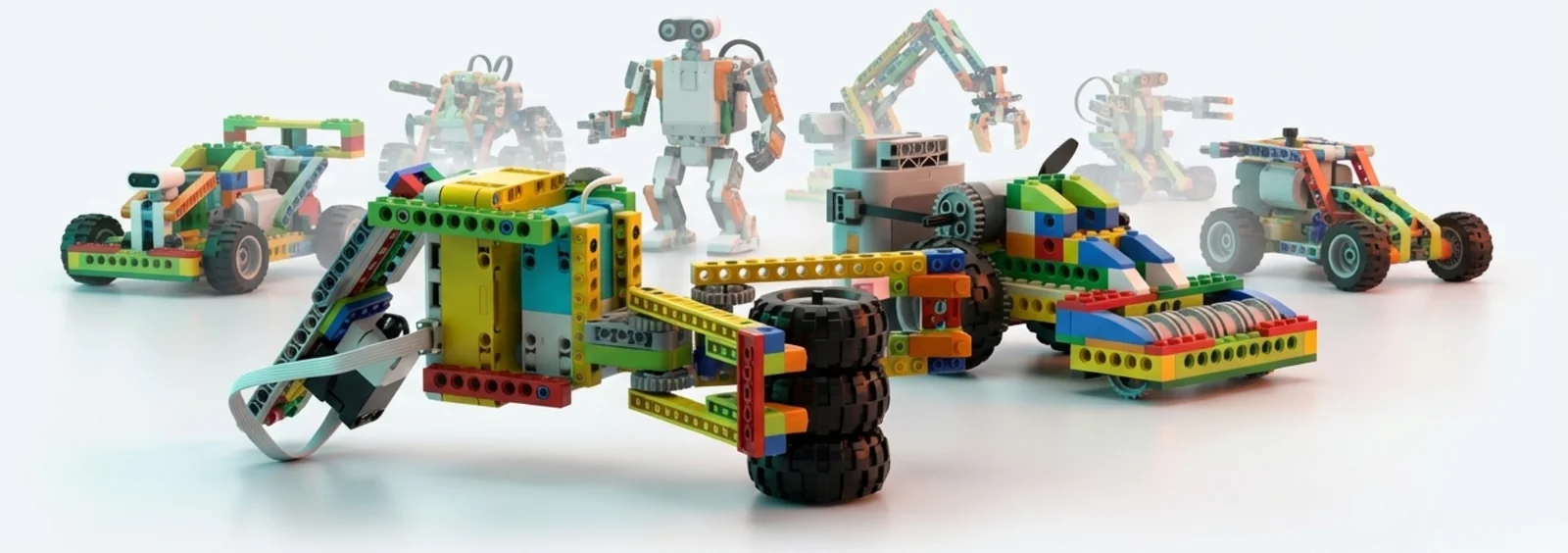
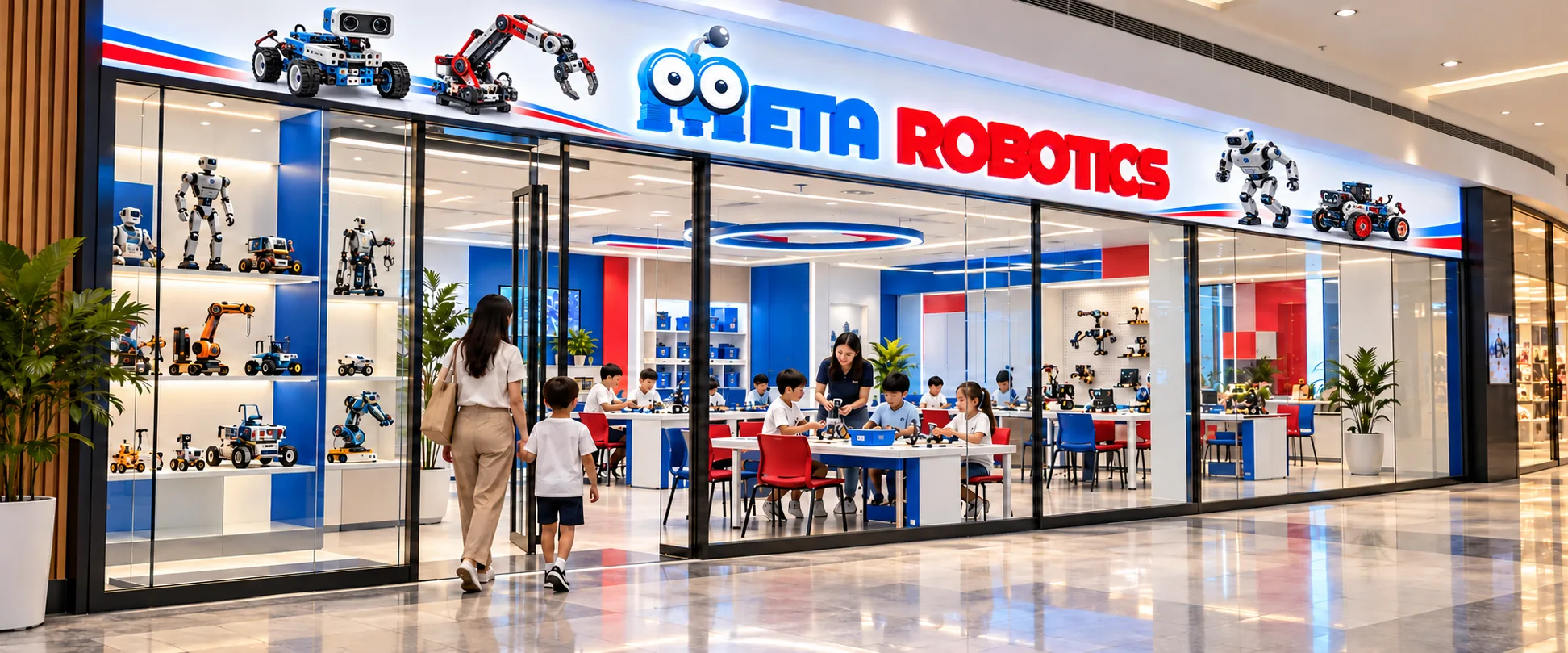
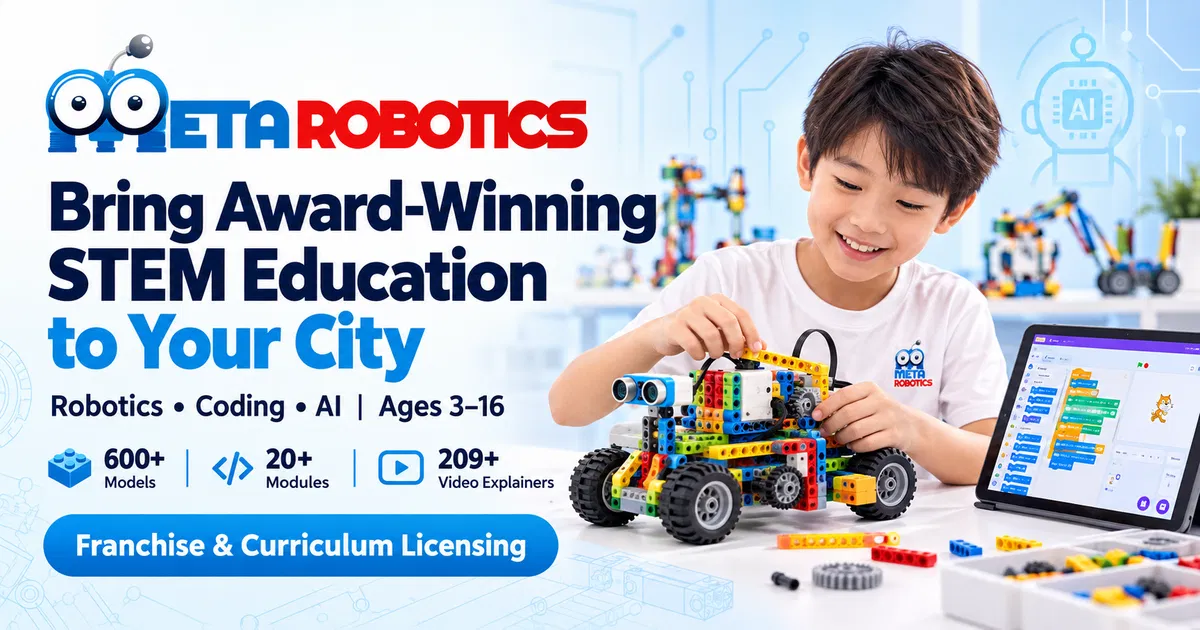
Meta Robotics is a Singapore-based STEM, coding and AI enrichment provider for children. Its proprietary programme includes 600+ robotic models and 20+ modules connected to real science, maths and engineering concepts. For prospective partners, that creates a foundation to evaluate: a structured learning offer, rather than a collection of disconnected workshops.
Here are 10 things to examine before choosing a STEM franchise or licensing partner.
1. Know what you are buying
“Franchise” and “licence” can describe different business relationships. A franchise may provide rights to operate under a brand and business system. A curriculum licence may grant access to teaching materials for your existing school or centre. A launch-partner arrangement can offer a way to start before moving into a fuller partnership.
Ask what the agreement actually includes: brand use, curriculum access, training, marketing resources, operating guidance, territory rights and the option to add branches. Meta Robotics offers both a Launch Partner Programme and module licensing. Compare the rights, obligations and fees of the specific arrangement that fits your organisation.
2. Match the model to your operation
A programme delivered inside an existing school or enrichment centre has a different cost base from a dedicated learning centre. Consider where classes will run, who will teach them, how you will recruit students and whether you can serve school-holiday demand.
The model should fit your existing strengths. A tuition provider may be able to add robotics workshops to its current timetable, while a new operator may need more support with location, enrolment and marketing. Before comparing brands, write down your likely venue, customer base, staffing plan and launch timeline.
3. Evaluate the curriculum, not just the equipment
Robotics can attract attention, but equipment alone does not make a strong learning programme. Ask to see sample lessons, teacher guides, student worksheets and the learning sequence. Check how each activity develops a clear concept and how students progress from one module to the next.
Meta Robotics’ curriculum is built around 600+ proprietary robotic models and 20+ modules tied to science, maths and engineering. That is a different proposition from relying on generic, template-based LEGO workshops: the build is part of a structured learning experience, not the whole offer.

4. Check the age pathway and room to grow
A clear age pathway can help you serve learners over several years, rather than offering a single introductory class. Ask how the content changes with age: Do younger learners focus on building and spatial thinking? Do older students progress into coding, AI or more advanced engineering?
Confirm which modules are available in your territory and how the local programme maps to the ages you intend to serve. Meta Robotics positions its enrichment programme for children aged 3–16, with modules spanning robotics STEM, robotics coding, digital animation and AI. Your prospective partner should be able to show how that translates into a practical schedule for your students.
5. Calculate the full investment
A headline fee is not the total cost of launching. Include equipment, venue or room costs, staff, insurance, marketing, devices, transport, local approvals and working capital. Ask which items are included, optional or charged separately, and whether prices differ by country.
Meta Robotics’ Launch Partner page lists a SGD 4,000 one-time starter kit, SGD 3,600 for the first three months and SGD 1,200 per month for ongoing support. It lists SGD 800 per month per branch after 24 months. Treat these as published programme figures, not an all-in estimate: confirm current pricing, applicable taxes, equipment needs and contractual terms for your location.
For module licensing, the licensing page describes per-module fees and notes that pricing varies by country; robotics equipment kits are separate.
6. Model break-even with conservative assumptions
A promising programme still needs a realistic business case. Estimate how many students you can enrol, the tuition you can charge, class size, instructor hours and likely retention. Then subtract recurring fees and delivery costs.
A simple starting point is:
Monthly contribution = tuition revenue − instructor costs − venue and operating costs − programme fees
Test several scenarios: lower enrolment at launch, a steady-state term and a holiday period. Avoid relying on best-case class sizes or unverified earnings claims. Ask the provider to clarify every recurring charge, including curriculum access, royalties, support, software and equipment replacement.
7. Confirm training prepares your team to teach
Your instructors may be excellent educators without having a robotics background. Find out what training they receive, how lessons are prepared and whether support is available when a class does not go to plan.
Meta Robotics says its partners receive structured teacher training and provides lesson plans and teaching resources. Ask for details before signing: training duration and format, who can attend, whether new staff can be trained later, and what happens when curriculum updates are released. The goal is not simply to learn the materials. It is to deliver consistent, confident classes.

8. Look for ongoing support and fresh content
A launch is only the beginning. Ask how the provider supports marketing, enrolment, operations and curriculum delivery after the initial onboarding. Clarify who you contact for teaching questions, technical issues and business guidance, and how quickly partners can expect a response.
Meta Robotics’ Launch Partner offer describes ongoing business, marketing and technical support, alongside quarterly curriculum releases. For module licensees, ask how updates apply to your chosen modules and whether training is available when new materials are introduced. A support promise is most useful when its scope and delivery are clear.
9. Check local fit and operating requirements
A programme created in one market may need adjustments before it works in another. Consider language, school calendars, parent expectations, device availability, equipment shipping and local pricing. Ask whether lesson materials can be adapted and which costs or responsibilities sit with you.
You should also check local requirements for operating classes for children. Depending on the country, venue and type of service, rules may cover staff checks, insurance, safety procedures, zoning or childcare licensing. Do not assume that an enrichment class is exempt. Confirm requirements with the relevant local authorities and professional advisers before committing to a site or schedule.
10. Review the agreement and speak with partners
Before signing, read the agreement closely. Pay particular attention to territory protections, renewal, termination, transfer rights, brand use, required purchases, fee changes and what happens to curriculum access if the relationship ends. Ask for any verbal promises to be included in writing.
If you are considering a US franchise, the Federal Trade Commission’s franchise buyer guide explains the Franchise Disclosure Document and due-diligence process. Disclosure rules vary by jurisdiction, so seek local legal and accounting advice wherever you plan to operate. If possible, speak with current or former partners about onboarding, support and day-to-day delivery.

Choose a partner that can grow with you
The strongest STEM franchise opportunities combine educational substance with a workable operating model. Look for a curriculum with clear progression, training your team can use, transparent costs and support that continues after launch.
Meta Robotics offers more than access to robotics activities: its proprietary models and modules are designed to connect hands-on building with science, maths and engineering concepts. If you are assessing a launch partnership or licensing pathway, review the programme options, request sample materials through the licensing page and discuss your country, age groups and operating model with the partnerships team. A focused conversation can help you determine whether the programme fits your learners, and your business plan.